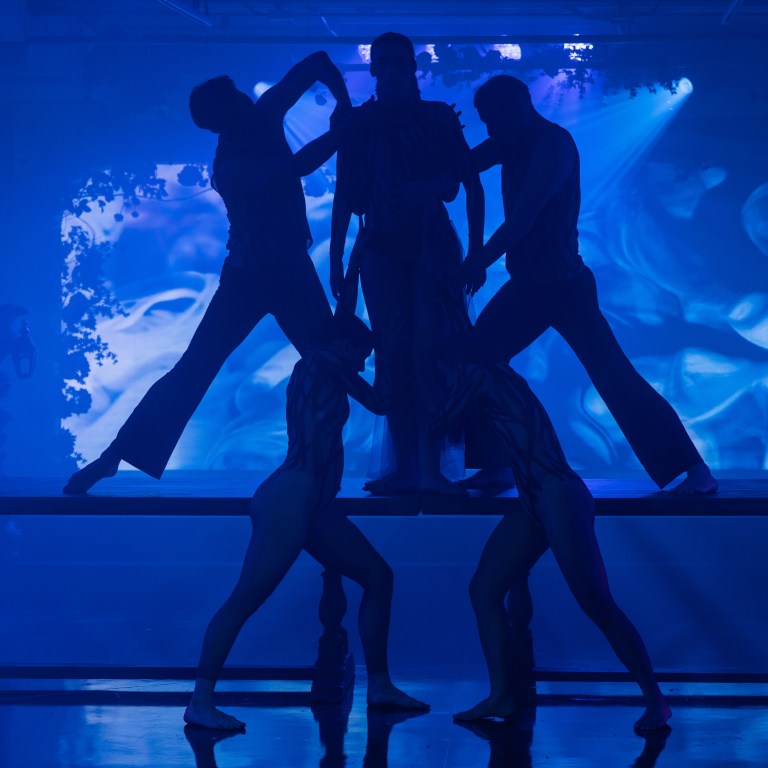
The evening, titled Through the Looking Glass, was the latest edition of the invitation-only D&M; Halloween. Guests from fashion, entertainment, and philanthropy arrived in elaborate costumes as Atelier L Events Production transformed FIG into a theatrical Wonderland of scenic design, installation, and immersive production. At the center of it all were four emerging choreographers and dancers chosen from more than 800 applicants nationwide: Audrey Skodis of New York, Kylah Kuura of Dallas, Riley Roberts of Los Angeles, and Tsai Hsi Hung of New York. Under Marcella Raneri’s direct guidance, they had spent an intensive week in Dallas developing original work before premiering it for the gathered audience.
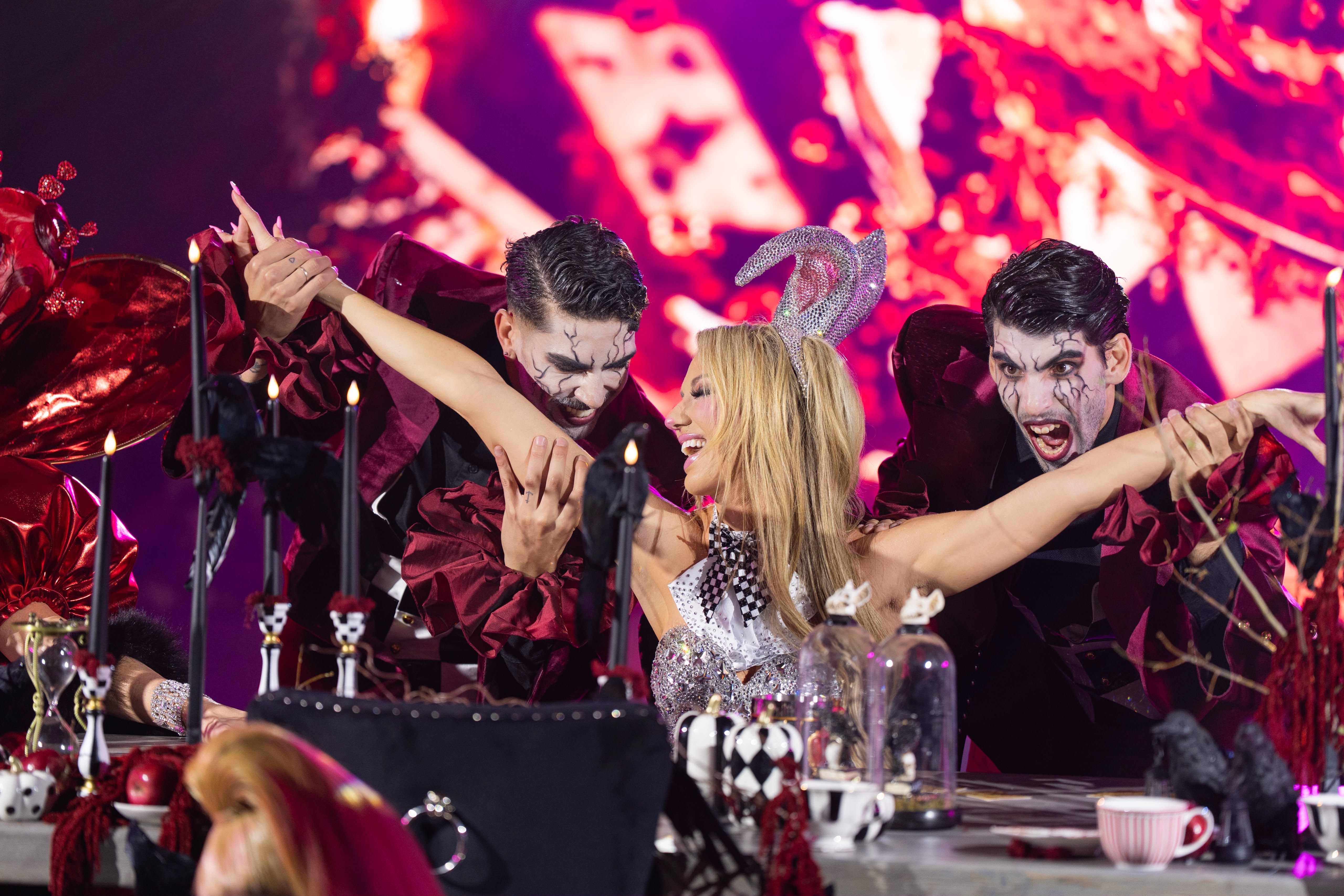
The awards themselves—structured as a $30,000 Grand Artist Development Award, a $15,000 Artist Development Award, and a $10,000 Emerging Vision Award—came with paid participation stipends, travel and accommodation, mentorship, professional credits, and portfolio material. A competitive panel that included drag performer and television personality Alyssa Edwards evaluated portfolios, original choreography submissions, and interviews, seeking exceptional creative vision and potential. The unrestricted nature of the grants was deliberate: recipients can invest the funds in training, new work, or whatever else advances their practice.
For Marcella Raneri, the entire initiative is personal. A dancer, choreographer, and filmmaker whose career includes appearances on So You Think You Can Dance and Netflix’s Dancing Queen, she began dancing at age two after her family moved from Brooklyn to Dallas. The studio became her safe place. “Dance was so much more than something I loved doing,” she has said. “It was my safe place growing up, somewhere I felt accepted, understood, and completely myself.” When she later taught and choreographed, the most meaningful part was not the competition wins but the knowledge that she could create an environment where young dancers felt believed in.
That experience shapes the awards. Marcella Raneri was fortunate to have family and teachers who encouraged her even in moments of doubt. “My inspiration comes from wanting to give others something I was so fortunate to have,” she explained. “Someone who believes in them, encourages them, and helps them keep going when things get difficult. Because sometimes having just one person in your corner can make all the difference.” The competitive reality of the entertainment industry only reinforced the point. As a dancer she learned that talent alone is rarely enough; perseverance, resilience, and the right support determine whether a career can be sustained.
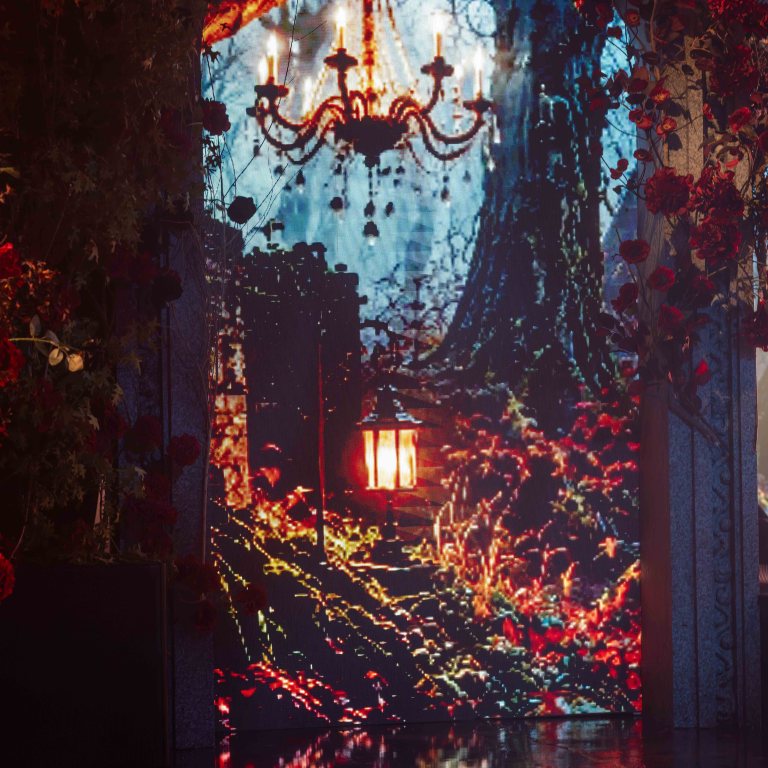
The idea to formalize that support originated with her husband, Daniel Nutkis. Knowing how much she loved creating elaborate experiences and how deeply she cared about giving back, he suggested connecting the two. The Halloween party became the natural first platform. Marcella Raneri has long adored Halloween and the imaginative worlds it allows; Alice in Wonderland, with its emphasis on possibility and invention, felt like the perfect setting for celebrating emerging artists. Backstage on the night itself, she found herself nervous for the performers the way she once was for her own students. Watching their work come to life was, she said, one of the most rewarding parts of the evening. She hopes they left feeling celebrated and that the relationship continues.
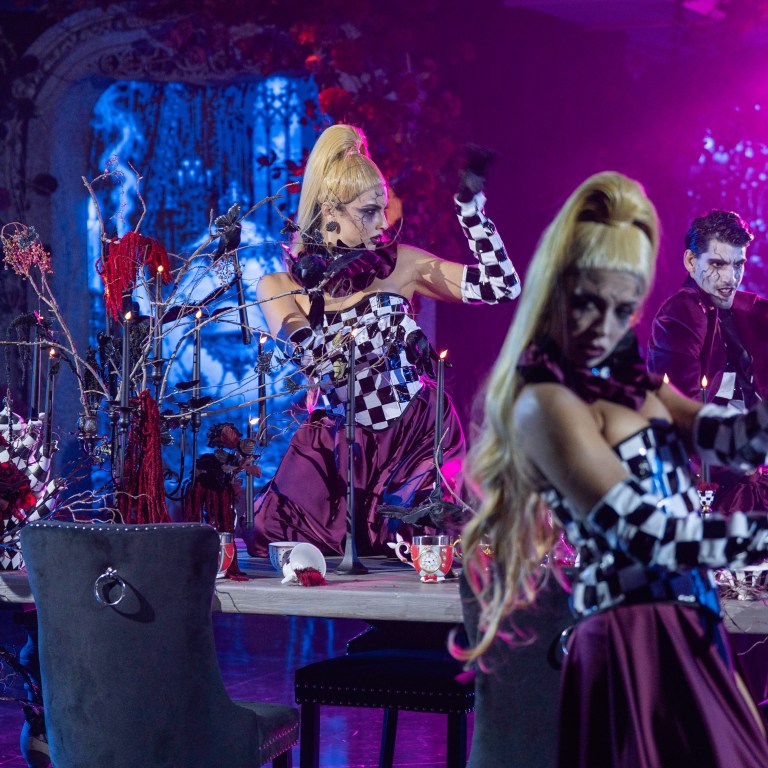
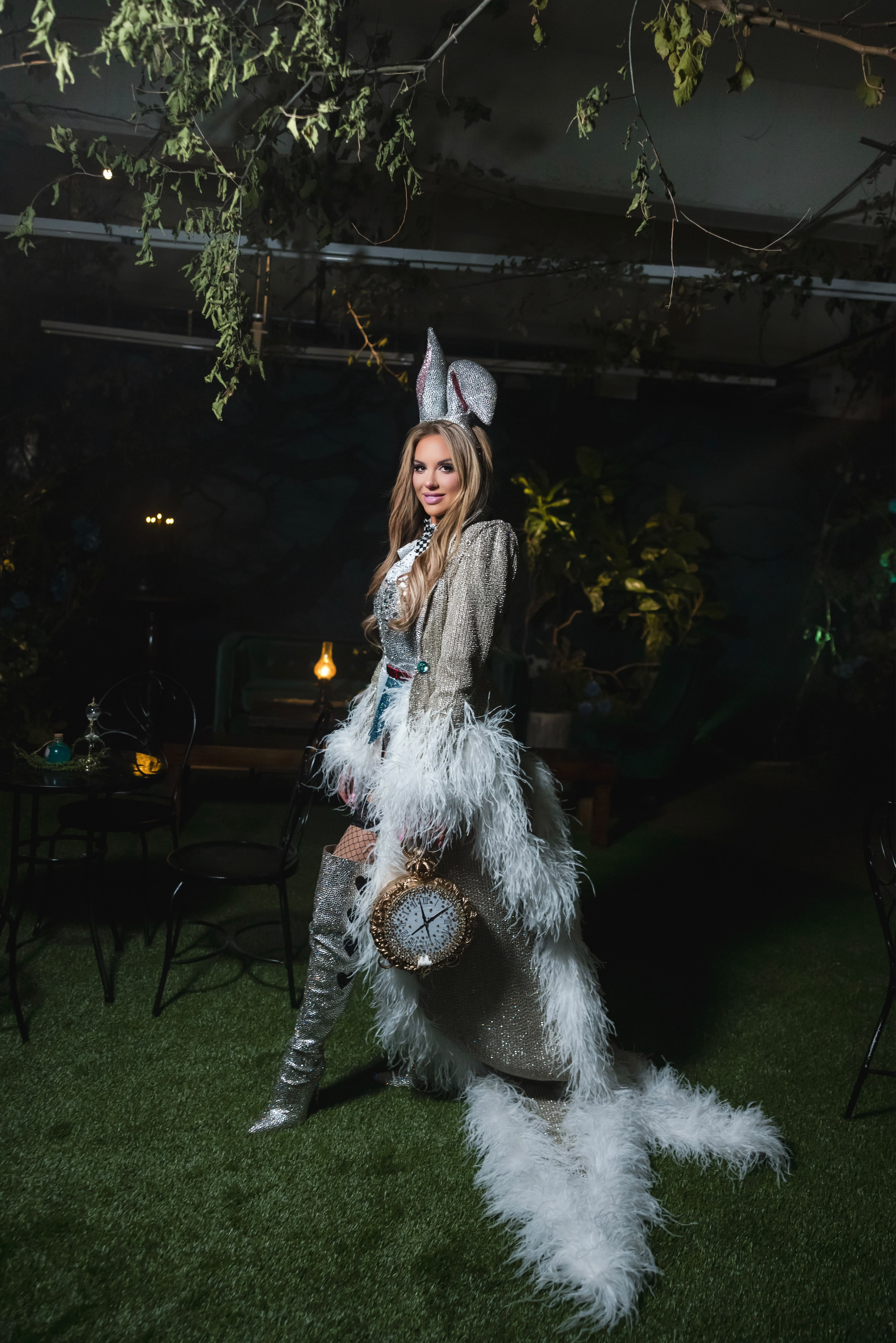
Marcella Raneri made her own visual statement in a custom crystal- and rhinestone-embellished creation by the Italian brand ROCHART, its intricate detailing echoing the night’s fantastical spirit. The convergence of high-fashion costume, immersive production, and live performance illustrated the multidisciplinary vision she has for the awards. While 2026 focused on performance, choreography, and movement, future editions are expected to expand into scenic design, installation and world-building, and costume, fashion, wearable art, and character design.
The $55,000 distributed on October 31 is only the beginning. Marcella Raneri’s goal is to identify talent, provide real resources and mentorship, and then open doors that might otherwise remain closed. “Giving emerging artists the room, resources, and visibility to create is at the heart of everything we’re doing,” she has said. Looking ahead, she hopes to see the artists the foundation supports go on to thrive, and perhaps one day return to mentor the next generation. The legacy she envisions is not measured only in grants or galas, but in the careers and lives those investments make possible.